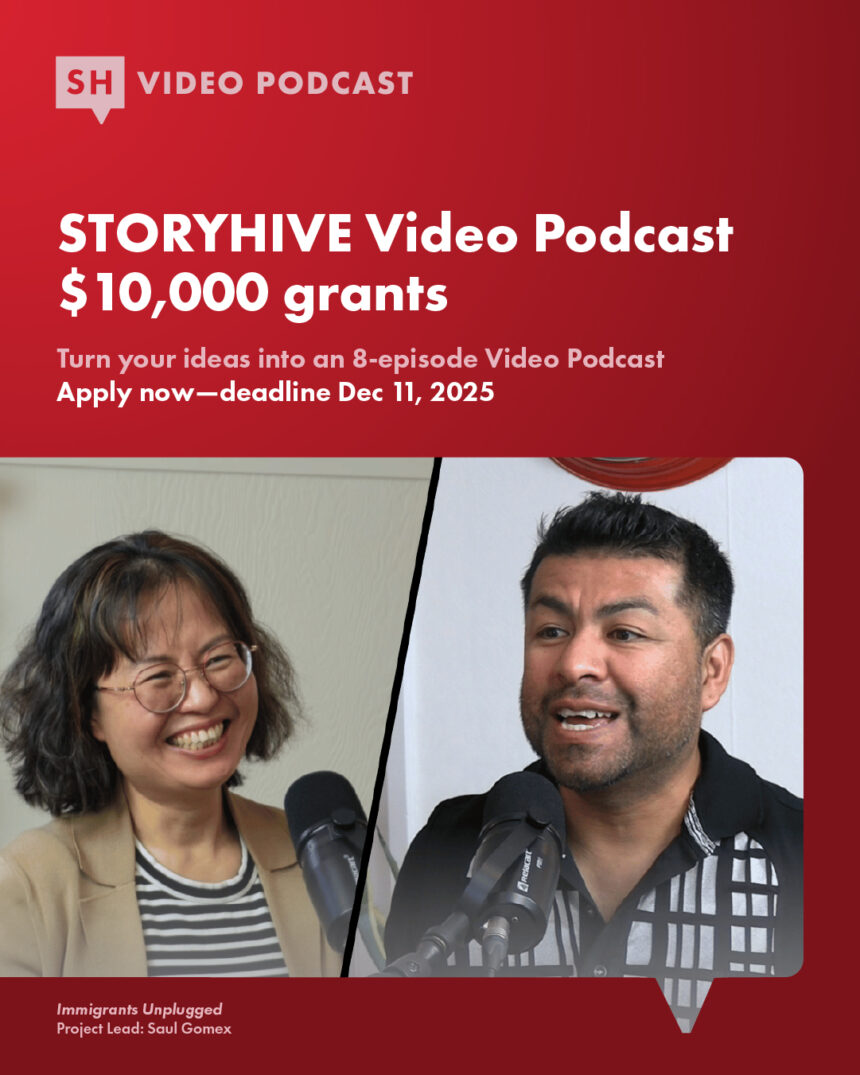
TELUS STORYHIVE has officially opened applications for its 2027 Video Podcast program, offering $10,000 in production funding to residents of British Columbia and Alberta. The initiative seeks to support new and emerging creators in producing original video content that reflects their local communities.
This program serves as a critical catalyst for rural Canadian storytelling by removing financial barriers for non-professional creators. By providing both capital and technical training, the initiative democratizes media production, allowing voices from underrepresented regions to reach broader audiences.
The Mechanics of the 2027 Grant Cycle
The current funding cycle invites applicants to submit their proposals through the official website by December 10, 2026. According to program guidelines, there is no requirement for previous video production or podcasting experience to qualify for the grant.
Selected projects are expected to produce a minimum of eight episodes. Each project lead is assigned a dedicated program manager who provides support throughout the production process, from initial concept to final editing.
The program is open to anyone of legal age residing in British Columbia or Alberta. Since its inception in 2013, the initiative has provided over $74.8 million in total production funding to thousands of local creators across these provinces.
TELUS STORYHIVE will host an online information session on November 17, 2026, from 5 to 6 p.m. PST. This event allows potential applicants to ask questions directly to the program team regarding the application process.

Ownership and Distribution Rights
A significant feature of the program is the retention of intellectual property. Creators maintain 100 per cent ownership of their content throughout the duration of the program and beyond.
While creators keep full rights to their work, they enter into a non-exclusive licensing agreement with the sponsor. This agreement allows the projects to appear on TELUS Optik TV, Stream+, and the STORYHIVE YouTube channel for up to 10 years.
This structure enables creators to continue sharing, growing, and monetizing their work independently, in a media landscape also shaped by CRTC decisions expanding Canadian content platforms. The arrangement is designed to balance the need for platform distribution with the creator’s desire to maintain long-term control over their intellectual property.
Previous participants have utilized this support to document local culture. For example, Rohan and Lucille Keenan produced two seasons of their podcast, Colours of Cariboo, which focused on artists in rural communities.
When your content is directly inspired and derived from your community, people are so willing to give it a chance.
Rohan Keenan, past program participant
The Value of Localized Media Production
The program acts as a vital bridge for creators who might otherwise lack the resources to produce high-quality video content. By subsidizing the costs of equipment and training, the initiative allows for the documentation of stories that might otherwise be overlooked by mainstream media.
Rohan Keenan noted that the foundational training provided by the program was essential for their success. Lessons on filming techniques, interview structure, and editing provided the necessary skills to transition from amateur enthusiasts to professional content creators.
The impact of such programs extends beyond the digital screen. By focusing on local narratives, creators can foster stronger connections within their own geographic regions, highlighting the triumphs and challenges of their neighbors.
For those considering an application, the advice from past participants is to prioritize authenticity. Trusting one’s own ideas and being willing to step outside of a comfort zone are identified as the primary hurdles for new creators.
Critical Analysis of Corporate Sponsorship
While the program provides essential funding, the reliance on a single corporate sponsor like TELUS warrants examination. There is a potential risk that the requirement for content to be locally reflective could be subtly influenced by corporate brand guidelines or specific distribution requirements.
Proponents argue that the program’s track record of funding diverse and community-focused projects demonstrates a commitment to editorial independence. The fact that creators retain full ownership of their work supports the view that the sponsor prioritizes the growth of the local creative ecosystem.
A fair counterpoint remains that the distribution platforms are controlled by the sponsor, which could influence the types of content that receive the most visibility — a tension also seen in recent carriage disputes involving Canadian sports broadcasters. However, the program’s longevity and the volume of funding provided suggest that the benefits to the Canadian creative sector outweigh these concerns.
Ultimately, the initiative serves as a rare opportunity for residents of British Columbia and Alberta to access professional-grade support. The program remains a significant factor in the regional media landscape, providing a platform for voices that might otherwise remain unheard.
- Verify eligibility requirements for British Columbia and Alberta residents.
- Prepare a clear project proposal that highlights local community themes.
- Register for the November 17 information session to clarify technical expectations.
- Submit the application through the official portal before the December 10 deadline.
- Review the non-exclusive licensing agreement to understand long-term content rights.
Next Steps for Aspiring Creators
Interested individuals should begin by visiting the official STORYHIVE application portal to review the specific requirements for the 2027 cycle. Gathering a team or defining a clear vision for the eight-episode series is the recommended first step.
Engaging with the community of past creators can provide valuable insights into the production process. Many former participants are willing to share pointers and advice for new applicants navigating the grant system for the first time.
Applicants should also ensure they are prepared to meet the technical demands of a video podcast series. While no experience is required, the program expects a commitment to the production schedule and the quality of the final output.
Finally, staying connected with the program’s social media channels is advised for updates on future opportunities and networking events. These channels provide ongoing support and information for the creative community.
Frequently Asked Questions
Do I need previous experience to apply for the grant?
No, the program is designed for new and emerging podcasters, and no prior video production or podcasting experience is required.
Who is eligible to apply for the funding?
The program is open to residents of British Columbia and Alberta who are of legal age.
What happens to the ownership of my content?
Creators retain 100 per cent ownership of their intellectual property throughout the program and beyond.