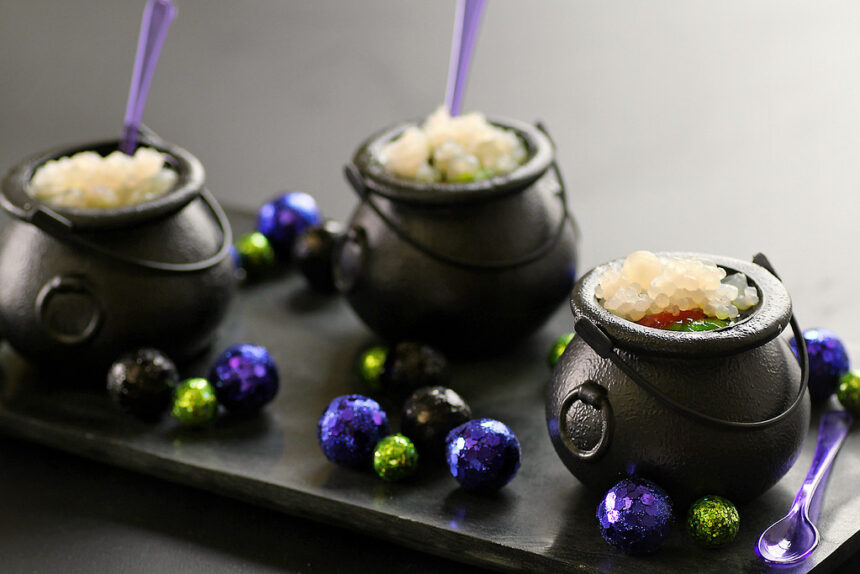
Canadian alcohol sales volumes fell by 3.0% to 2,898 million litres during the 2024-2025 fiscal year, according to Statistics Canada. This represents the largest annual decline since the agency began tracking data in 2004.
Launch Len Media views the rise of premium Halloween cocktails as a critical pivot point for the industry. While overall volume is down, high-end, visually dramatic drinks are successfully capturing consumer interest and spending power.
The shift toward quality over quantity is defining the current market. Brands that leverage seasonal trends to offer premium experiences are finding success where traditional volume-based sales are struggling.
The 3% Volume Decline and Market Reality
The 2024-2025 fiscal year saw a significant contraction in the Canadian alcohol sector. Statistics Canada reported that total volume sales dropped by 3.0% to 2,898 million litres.
This downturn follows a broader trend of moderation among Canadian drinkers. Industry analysts note that consumers are increasingly prioritizing health and wellness over high-volume consumption.
Despite the decline in total volume, the market for ready-to-drink (RTD) cocktails remains a bright spot. Grand View Research projects this segment will reach US$ 200.1 million by 2033 with a 15.8% CAGR.
The divergence between total volume and the RTD segment highlights a changing consumer preference. Convenience and quality are now the primary drivers of purchase decisions.

The Rise of Natural Halloween Cocktails
In 2026, the focus for Halloween cocktails has shifted toward natural ingredients and visual spectacle. Liquor Geeks reported that bartenders are moving away from artificial dyes in favor of natural colorants.
Butterfly pea flower tea is a primary example of this trend. It provides a distinct blue hue that shifts to purple when citrus is added, offering a dramatic effect for themed drinks.
Blackberry juice and activated charcoal are also appearing in high-end seasonal menus. These ingredients provide both the desired aesthetic and a more premium flavor profile.
The move toward natural ingredients aligns with the broader demand for transparency in food and beverage products. Consumers are willing to pay a premium for drinks that feel artisanal rather than manufactured.
Top Seasonal Drink Trends for 2026
The 2026 market for Halloween cocktails features a mix of new creations and updated classics. These selections reflect the industry’s push toward premiumization.
The Nocturne martini is a centerpiece of this year’s seasonal offerings. It utilizes dark, natural ingredients to create a sophisticated and moody presentation.
The Poison Caramel Apple is another trending option that balances seasonal nostalgia with modern mixology techniques. It is designed to appeal to consumers looking for a high-quality dessert-style drink.
The Goblin Face Caesar-tini remains a staple for Canadian consumers. This variation of the classic Caesar cocktail demonstrates how regional favorites can be adapted for seasonal marketing.
- Nocturne Martini: A dark, visually striking cocktail using natural colorants.
- Poison Caramel Apple: A premium dessert-style drink focusing on seasonal flavors.
- Goblin Face Caesar-tini: A Canadian-specific twist on the classic Caesar cocktail.
- Butterfly Pea Flower Infusions: Drinks that shift color to enhance the spooky-chic aesthetic.
Analysis of the Moderation Headwind
Launch Len Media maintains that premium Halloween cocktails are essential for brand survival. By creating a ‘spooky-chic’ experience, companies can justify higher price points even as total volume declines.
A fair counterpoint is provided by the ongoing moderation trend. Statistics Canada data suggests that no amount of creative mixology can fully offset the long-term downward trend in total alcohol consumption.
Health-conscious behavior is not a temporary fad but a structural shift in the Canadian market. Consumers are drinking less frequently and choosing products with lower alcohol content or cleaner labels.
However, the premiumization strategy remains the most viable path forward. By focusing on the experience of the drink rather than the volume of alcohol, the industry can maintain revenue growth despite the contraction in total sales.
Natural ingredients provide superior visual effects and flavor profiles.
Liquor Geeks, September 2026
Strategic Steps for Consumers and Brands
If you are a consumer, look for labels that prioritize natural colorants over artificial additives this season. You can achieve a professional look at home by using butterfly pea flower tea in your own recipes.
For brands, the data suggests that seasonal marketing is a powerful tool to drive engagement. Aligning your product with specific cultural moments like Halloween can help maintain market share.
Focus on the convenience of ready-to-drink options to capture the growing demographic of busy, health-conscious consumers. Quality and visual presentation are the keys to standing out in a crowded market.
Monitor the 15.8% growth rate in the RTD sector as a benchmark for your own product development. The market is clearly signaling that quality and ease of use are the future of the spirits industry.
Frequently Asked Questions
Why are alcohol sales declining in Canada?
Sales are declining primarily due to a shift toward health-conscious consumer behavior and a general trend of moderation in alcohol consumption.
What is the expected growth of the RTD market?
The Canadian ready-to-drink cocktail market is projected to grow at a CAGR of 15.8% through 2033.
How are natural colorants changing Halloween cocktails?
Natural colorants like butterfly pea flower tea allow for color-shifting effects, which provide a more premium and visually dramatic experience than artificial dyes.