Investors looking to deploy $10,000 in 2026 must choose between the TFSA and RRSP based on their current tax bracket and future financial needs. The Canada Revenue Agency set the 2026 TFSA limit at $7,000, while the RRSP limit rose to $33,810.
Choosing the right path requires understanding how tax deductions and tax-free growth impact your net worth over time. Launch Len believes the optimal split depends entirely on whether your current marginal tax rate is higher or lower than your expected rate in retirement.
The 2026 Contribution Limits and Mechanics
For the 2026 tax year, the Canada Revenue Agency confirmed the TFSA annual contribution limit remains at $7,000. This follows the 2025 limit, meaning no inflationary adjustment was applied to this specific account type.
Conversely, the RRSP annual contribution limit for 2026 has increased to $33,810. This is up from the $32,490 limit established for 2025, according to federal tax guidelines.
The RRSP limit is technically the lesser of 18% of your earned income from the previous year or the annual dollar maximum. This structure ensures that high earners have significant room to shelter income from taxes.
Investors must be careful to avoid over-contribution. The CRA imposes a 1% monthly penalty on any excess funds held in either account, as noted by Questrade.
More Read

Calculating the Tax-Efficient Split
When you have $10,000 to invest, the math often points toward filling the TFSA first if you anticipate being in a higher tax bracket later in your career. Because TFSA growth is tax-free, it is a powerful vehicle for long-term wealth accumulation.
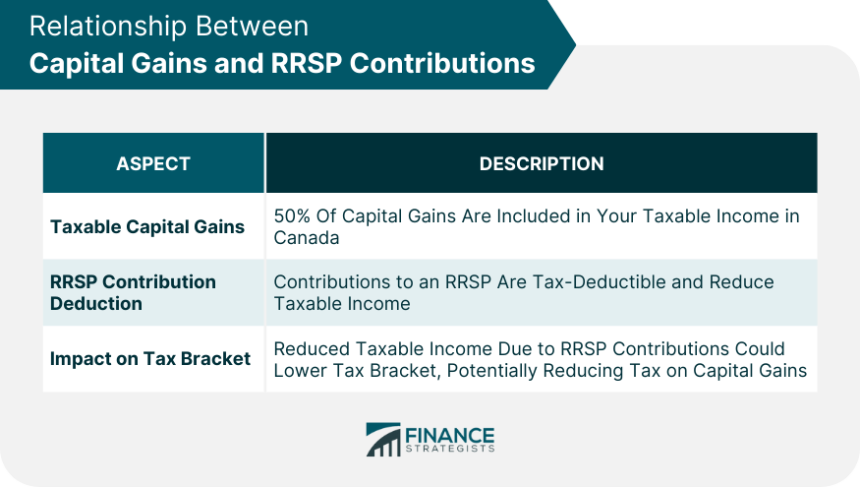
If you are currently in a high tax bracket, the RRSP becomes more attractive due to the immediate tax deduction. By contributing to an RRSP, you reduce your current taxable income, which can result in a significant tax refund.
You can then reinvest that tax refund into your TFSA, effectively maximizing both accounts. This strategy creates a cycle of tax efficiency that benefits investors who have the discipline to manage their cash flow.
According to Manulife Canada, the choice between these accounts should be guided by your specific financial situation. A one-size-fits-all approach rarely yields the best result for the individual investor.
RRSP contributions are tax-deductible, which can lower an individual’s taxable income for the year.
Manulife Canada
Strategic Options for Your $10,000
The first option is to maximize the TFSA with $7,000 and place the remaining $3,000 into an RRSP. This provides a balance of tax-free growth and immediate tax savings for the current year.
A second option is to prioritize the RRSP if you are in a high marginal tax bracket. By putting the full $10,000 into an RRSP, you maximize your current tax deduction, which provides immediate liquidity through a tax refund.
A third option is to focus entirely on the TFSA if you are a younger investor. Younger individuals often face lower tax rates today and may need the flexibility of tax-free withdrawals for major life events like buying a home.
Investors should also consider their long-term strategy for tfsa passive income. Building a dividend-focused portfolio within a TFSA allows for tax-free compounding that is not available in an RRSP.
Launch Len Analysis: The Case for Flexibility
Launch Len maintains that the TFSA is the superior vehicle for most investors who are early in their careers. The ability to withdraw funds without penalty or tax consequences provides a level of financial security that the RRSP cannot match.
Critics of this view argue that the RRSP is essential for high earners who need to lower their tax burden immediately. They contend that the tax savings today can be invested to create greater wealth than the TFSA alone.
However, this assumes the investor will be in a lower tax bracket during retirement. If tax rates rise or if the investor’s income grows significantly in retirement, the RRSP withdrawal could result in a higher tax bill than expected.
The fair counterpoint is that the RRSP is a powerful tool for those who struggle with savings discipline. By locking funds away, it prevents the temptation to spend, which is a common risk with the more liquid TFSA. Source: Questrade.
Next Steps for Your Investment Portfolio
First, check your available contribution room on the CRA My Account portal. Never rely on estimates, as tfsa contribution penalties can be costly and difficult to reverse once they accrue.
Second, calculate your current marginal tax rate to determine if the RRSP deduction provides a meaningful benefit. If your income is modest, the TFSA is almost always the better choice.
Third, establish a plan for your tax refund if you choose the RRSP route. Reinvesting that money into a TFSA is the most effective way to leverage both accounts for long-term growth.
Finally, review your strategic asset allocation to ensure your investments match your risk tolerance. Whether you choose the TFSA or RRSP, the underlying assets will dictate your ultimate financial success.
Frequently Asked Questions
Can I carry forward unused RRSP room?
Yes, unused RRSP contribution room can be carried forward indefinitely to future tax years.
Do TFSA withdrawals affect my government benefits?
No, TFSA withdrawals are tax-free and do not affect federal income-tested benefits.
What happens if I over-contribute to my TFSA?
The CRA imposes a 1% monthly penalty on any excess contributions held in your TFSA.
Related reading: Holding U.S. stocks in a TFSA: the tax implications