The Bank of Canada is set to announce its decision on overnight interest rates on October 28, 2026. Markets currently reflect a 77% probability of a 25-basis-point increase to 2.50%.
This pivotal decision requires balancing the need to anchor inflation expectations against signs of significant economic fragility. Launch Len Media maintains that a preemptive hike is necessary to prevent long-term price instability.
The Current Policy Environment
The Bank of Canada has maintained its policy rate at 2.25% since October 2025, according to official bank data. This period of stability is now under intense scrutiny as inflation metrics climb.
Canada’s annual inflation rate rose to 3.1% in September 2026. Financial Post reports that elevated gasoline prices serve as the primary driver for this increase.
Market participants have adjusted their expectations rapidly. Data from October 26, 2026, indicates a 77% probability of a 25-basis-point hike, according to RateProbability.
This shift follows a period of relative calm in monetary policy. The upcoming announcement on October 28 also includes the release of the Bank of Canada’s quarterly Monetary Policy Report.
More Read

Economic Indicators and Labour Market Struggles
The decision to adjust Bank of Canada interest rates is complicated by recent labour market data. MoneySense reported that the Canadian economy lost 68,000 jobs in September 2026.
This contraction highlights significant economic fragility. Analysts argue that raising rates into a weakening labour market could exacerbate financial strain for households.
Despite these concerns, the central bank must address the inflation target. The September inflation figure of 3.1% sits above the official target range.
The bank’s business outlook survey previously signaled rising inflation expectations. These results often influence the tone of the Governor’s public comments.
The interplay between employment data and inflation creates a difficult environment for policymakers. They must decide if the current economic cooling is sufficient to dampen price pressures.
Options for the Monetary Policy Committee
The Bank of Canada faces two primary paths during its October 28 meeting. Each option carries distinct implications for the broader economy and market stability.
A 25-basis-point hike represents the most likely outcome based on market pricing. This move would signal a commitment to curbing inflation at the cost of immediate economic stimulus.
A hawkish hold remains a viable alternative for the committee. This approach would keep rates at 2.25% while using the Monetary Policy Report to signal future increases.
The hawkish hold allows the bank to observe further data. It provides a buffer against the risk of over-tightening during a period of job losses.
The following list outlines the potential strategic options currently under discussion by market analysts and economists regarding the Bank of Canada interest rates decision.
- A 25-basis-point hike to 2.50% to aggressively anchor inflation expectations.
- A hawkish hold at 2.25% combined with a stern warning of future rate increases.
- A pause in tightening to allow the labour market to stabilize after recent job losses.
- A data-dependent approach that prioritizes upcoming energy price trends over current employment figures.
Analysis of the Tightening Path
Launch Len Media argues that the Bank of Canada faces a pivotal moment. A preemptive rate hike is necessary to anchor inflation expectations before they become entrenched.
Failing to act could force more aggressive measures later. The bank must avoid the perception of falling behind the curve, which could destabilize the currency.
A fair counterpoint exists regarding the potential for economic damage. Raising rates now could unnecessarily exacerbate the cooling effect on the housing market and further strain an already struggling labour sector.
Critics of a hike suggest that a hawkish hold is a more prudent path. This would allow the bank to maintain its credibility without prematurely choking off growth.
Despite these valid concerns, the risk of persistent inflation remains the primary threat. The bank’s mandate prioritizes price stability above short-term economic fluctuations.
They would rather accept the mistake of raising interest rates a little too early — which might help them mitigate the overall increase later — than fall behind the market.
Benjamin Reitzes, BMO Canada
What Readers Can Do
You should review your current debt obligations before the October 28 announcement. Variable-rate loans are particularly sensitive to shifts in the overnight rate.
Consider locking in fixed rates if you are concerned about further increases. Consult with a financial advisor to assess how interest rate risks impact your specific portfolio.
Monitor the release of the Monetary Policy Report on the afternoon of October 28. The document will provide the central bank’s updated forecasts for inflation and growth.
Stay informed about broader bank of canada policy shifts. Understanding these trends helps you anticipate changes in mortgage rates and savings yields.
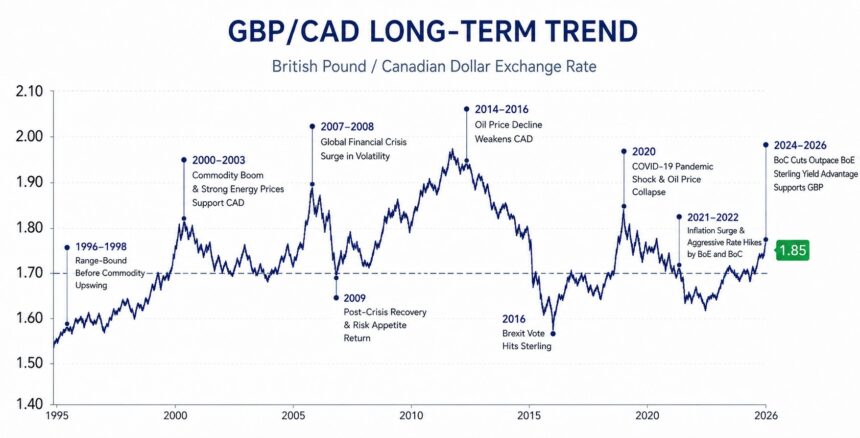
Finally, keep track of how the bank of canada hike impacts the Canadian dollar. Currency fluctuations can affect the cost of imported goods and international investments.
Frequently Asked Questions
When will the Bank of Canada announce its decision?
The Bank of Canada is scheduled to announce its decision on the overnight rate on October 28, 2026.
What is the current policy rate?
The policy rate has been held at 2.25% since October 2025.
Why are economists divided on the decision?
Economists are split because they must weigh high inflation against significant job losses and a cooling economy.